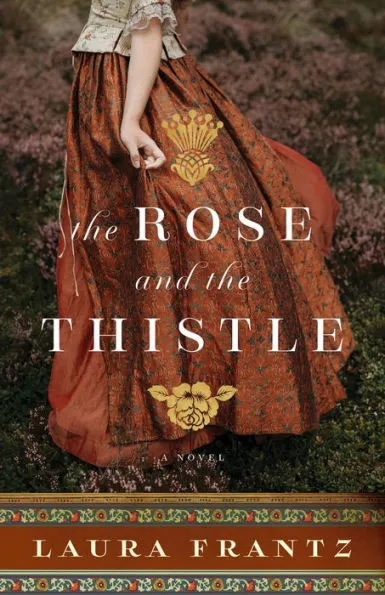
In 1715, Lady Blythe Hedley’s father is declared an enemy of the British crown because of his Jacobite sympathies, forcing her to flee her home in northern England. Secreted to the tower of Wedderburn Castle in Scotland, Blythe quietly awaits the crowning of a new king. But in a house with seven sons and numerous servants, her presence soon becomes known.
No sooner has Everard Hume lost his father, Lord Wedderburn, than Lady Hedley arrives with her maid in tow. He has his own problems–a volatile brother with dangerous political leanings, an estate to manage, and a very young brother in need of comfort and direction. It would be best for everyone if he could send this misfit heiress on her way as soon as possible.
In this whirlwind of intrigue, ambitions, and shifting alliances, Blythe yearns for someone she can trust. But the same forces that draw her and Everard together also threaten to tear them apart. [back cover copy]
THE ROSE AND THE THISTLE captured me from the first.

Lady Blythe is instantly appealing because she has character, values, and spunk which shine against the plight that engulfs her from her father’s political choices. When she returns to England, she faces losing everything and is sent packing to old family friends in the Scottish Borders. And who wouldn’t instantly care about the braw Scotsman preparing to carry the weight of his large family and the laird’s tenants while grieving his father. This new laird, who learns that for some experiences there’s just no schooling or training that prepares you.
All the characters are strong, compelling, yet flawed and completely realistic. In the scene below, only hours after his father’s death and fewer since he went to bed, Everard is awakened from a deep sleep to news of unexpected visitors.
Below, half a dozen people stood near the castle entrance, all looking up at him … Plus a pair of bedraggled women. … He faced the woman he guessed to be the duke’s daughter. She was dressed, or barely. A flattened gown without hoops, hair in a frayed braid, her face ashen. She appeared to wear no stockings, just slippers….Her eyes were wild. Weary.
‘Who are you and why are ye here,’ he asked …
‘I am Lady Blythe Hedley, the Duke of Northumbria’s daughter. And this is my lady’s companion.” She straightened as if gathering her misplaced dignity, the lift of her chin a rebuke to his bluntness. “And you, sir?”
Hardly the chivalrous behavior one expects from nobility, but understandable considering his circumstances.
Frantz is skilled, at portraying people, places, personalities, landscapes, conveying a person’s viewpoint, thoughts, feelings, assumptions, and struggles with only a few well-chosen details. And she is masterful at weaving into the story tiny threads that hint at a possible romance.

The chancy times mean the characters face plenty of dilemmas with pressure to make alliances—but wrong choices could cost them everything: money, friends, title, lands, even their lives. And Frantz is exceedingly clever at tossing in varied personal challenges as she paints the broad strokes of this troubled history with the fine detail of individual dramas.
All these heavy issues could make for a very dark story. But Frantz sets the story in landscapes come alive and laces it with humor, loveliness, sacrifice, and dashes of pure delight.Some favorite methods she uses are below. (And please feel free to mention your favorites in the comments. I’d love to hear them.)
Sparkling epigraphs
Silence, maiden, thy tongue outruns they discretion. [p 102]
Glass, china, and reputation are easily cracked and never well mended. [169]
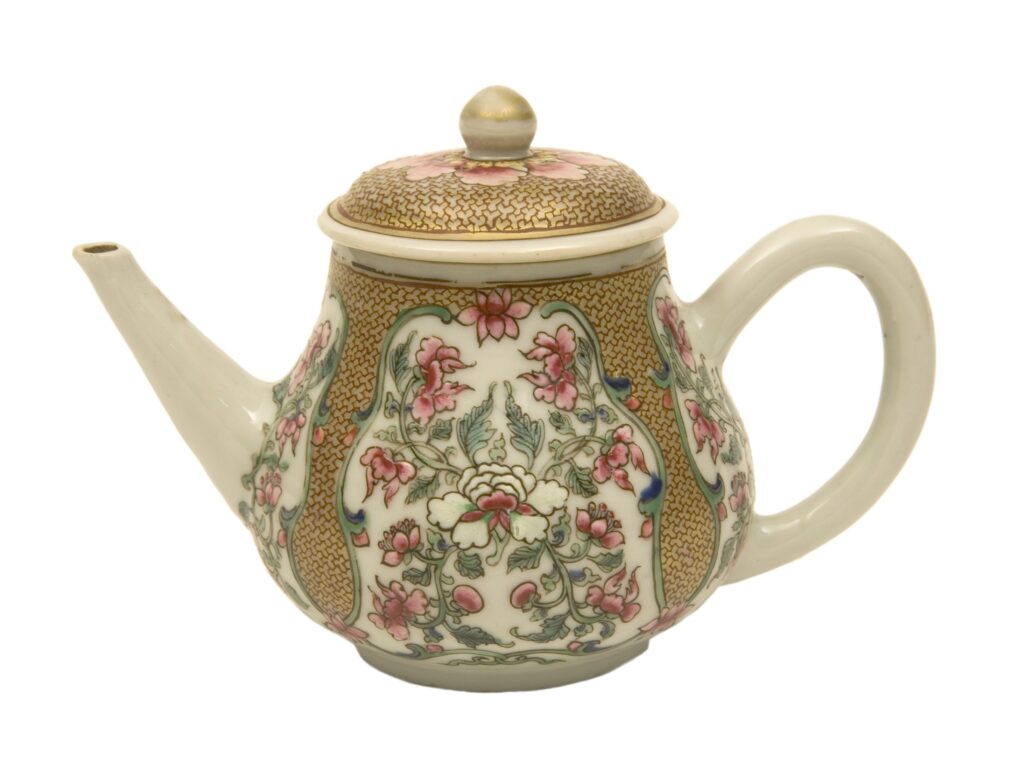
The path to heaven passes through a teapot. [p 221]
What worries you, masters you. [p 227]
Names:

Mrs. Candlish, the housekeeper, (perhaps I should write it Candle-ish) because she spreads light wherever she goes.
And pets Wallace, the puppy, and Pepys, the sparrow who sings treasonous tunes.
Endearing Characters/Nobleness of Spirit:
A loyal servant referring to a snobbish woman: “Her Royal Loftiness doesna have much to do with it.”

Pure Beauty:
Like tangled gold, [her hair] fell free in all its glory.
Tender Moments:
Frantz gives us plenty of these, though I think the one on page 127 as she closes the funeral chapter may be the best… But it would be unfair of me to tell you about it rather than let you discover it for yourself.
I appreciate how Frantz imbues the humblest of things and people of lowest status with great importance.

An example is Lady Blythe intruding belowstairs to check on Mrs. Candlish’s well-being because the housekeeper has appeared harried and tired. Lady Blythe brings a gift—a simple bowl of fresh blackberries, a humble token of appreciation and honor from a Lady to a servant, but a grateful guest to another woman.
All of these skills and plenty of others are on display throughout THE ROSE AND THE THISTLE. I find it impossible to say that one element is most important, but the rich story that results from her weaving them all is a joy to read. In reviews, we are encouraged to say what we liked and what we didn’t. I can’t determine anything in this story I did not like. (I mean—a couple characters were scoundrels but a good story must have conflict.) The only thing I could suggest is to make the epigraphs in a larger or easier-to-read font. I give it 5 stars and plan to read it again!
Laura Frantz is a Christy Award winner and the ECPA bestselling author of numerous historical novels. You can connect with her on her website and Facebook. She is active on Instagram ~ and right now is participating in a big book giveaway.
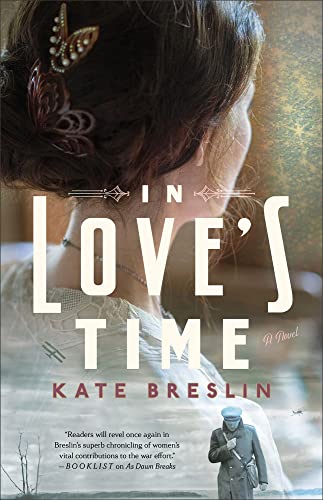
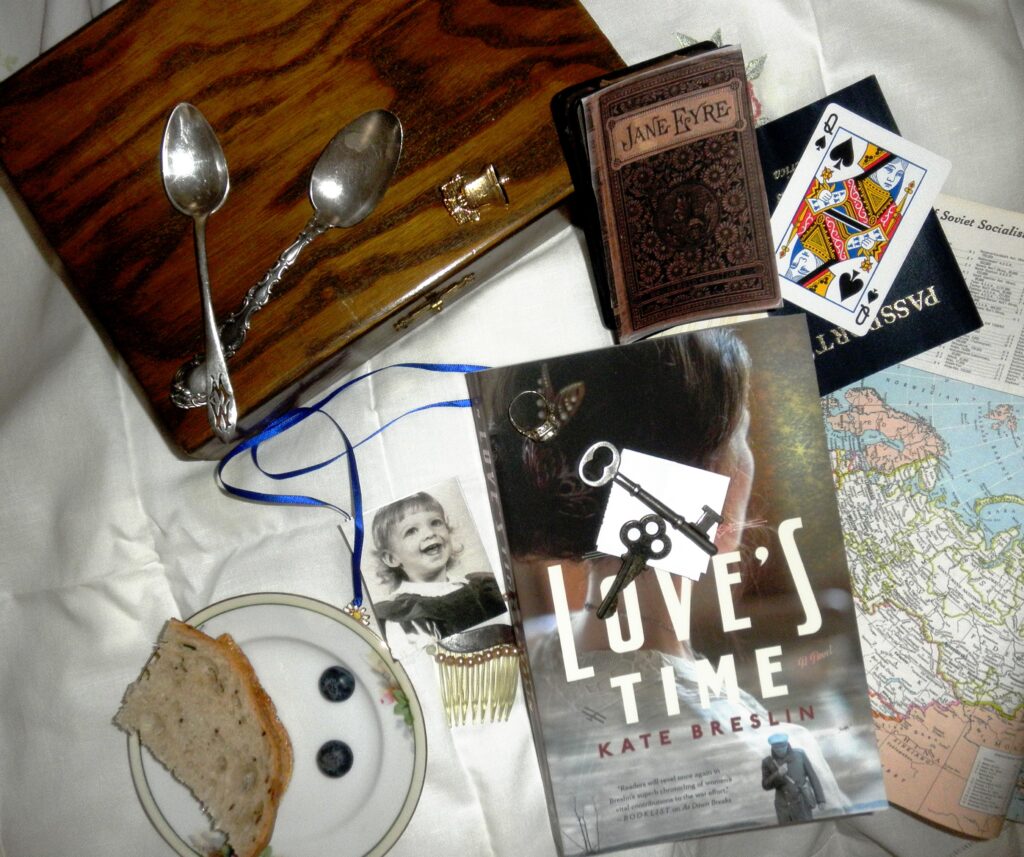









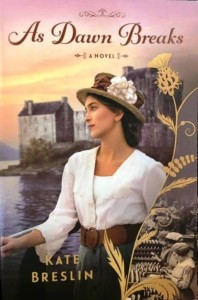 Amid the Great War in 1918 England, munitions worker Rosalind Graham is desperate to escape the arranged marriage being forced on her by her ruthless guardian and instead follow her own course. When the Chilwell factory explodes, killing hundreds of unidentified workers, Rose realizes the world believes she perished in the disaster. Seizing the chance to escape, she risks all and assumes a new identity, taking a supervisory position in Gretna, Scotland, as Miss Tilly Lockhart.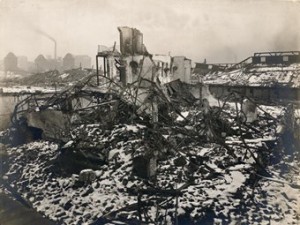
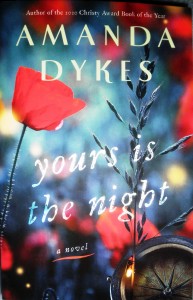
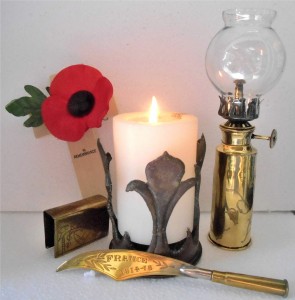

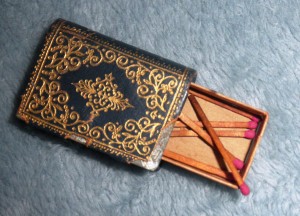 At times, writing a book review is difficult because a so-so story or cliché characters don’t inspire. But writing a review for this one is difficult because the story is so good that my words fall so very short of conveying the beauty, the power…the light & joy the author has infused into it. I heartily recommend Yours is the Night for a stellar read (and re-read). Join the journey through fear and fog of war, yearning for life and love and peace, and most of all discovery. Who knows? You may, like me, even want to begin carrying a box of matches with you.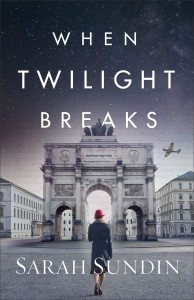
 All the characters in this story are completely real and compelling. The choices they face are heart-breaking. Their spiritual struggles authentically arise from their experience. And the forces that impact them lead to gripping, high stakes journeys where threats, like a tornado, intensify and accelerate.
 Sundin draws her characters and settings clearly and thoroughly which helps keep the action brisk. Without intending to, I stayed up hours past normal, walking with Evelyn and Peter, trying to determine who was trustworthy and who was not. The supervisor, neighbor, professor, landlord, restaurateur? The new friends? Maybe the old friends? God?
 Much like how our 21st century world had to learn how to handle a novel virus, this cast of characters has to learn about the novel threat of Nazi Germany. Their journey to do that is compelling and kept me engaged even after shutting the book. I highly recommend it.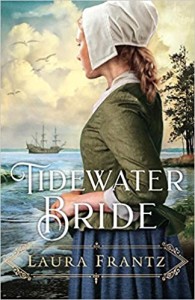
 TIDEWATER BRIDE by Laura Frantz is a pearl of a story, touching on themes of love, sacrifice, cross-cultural understanding and respect, and reconciliation.

 And as always, Frantz has a perfect way of drawing children with their unique viewpoints, sparkling with spontaneity, delight, and generosity, and sharing the joy and distraction of a new puppy.